Emergency kits are designed to support safety, comfort, and preparedness during unexpected situations. While many kits share similar essentials, two common choices often stand out: basic personal emergency kits and expanded advanced emergency kits. Understanding how these options differ can make preparation easier and more effective for different lifestyles and needs.
What Is a Basic Personal Emergency Kit?
A personal emergency kit is compact, simple to carry, and built for quick access to everyday essentials. It is often suitable for individuals who want lightweight preparedness for short-term situations.
Common Items Included
- Adhesive bandages
- Small gauze pads
- Antiseptic wipes
- Pain relief tablets
- Disposable gloves
- Flashlight
- Emergency blanket
- Bottled water packets
- Energy snacks
- Compact whistle
Benefits of Personal Emergency Kits
These kits are appreciated for their convenience and portability. They can fit into backpacks, office drawers, travel bags, or vehicles without taking up much space.
Key Advantages
- Lightweight and easy to carry
- Helpful for short outdoor trips
- Simple to organize and maintain
- Suitable for beginners
- Quick access during minor emergencies
- Easy to store in multiple locations
A personal kit is often ideal for day-to-day preparedness and smaller unexpected events where only basic supplies are necessary.
What Is an Advanced Emergency Kit?
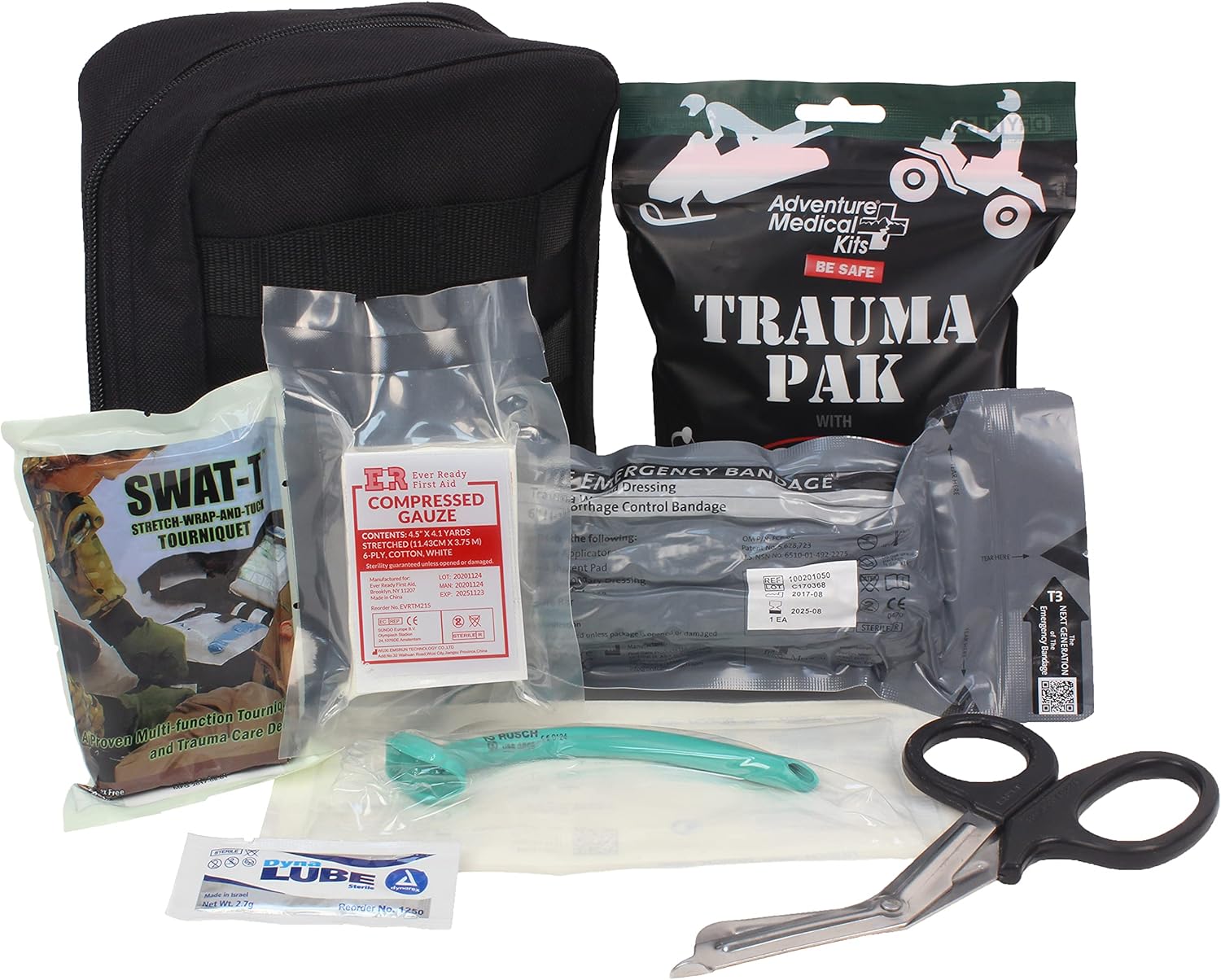
An advanced emergency kit contains a wider range of supplies intended for extended situations or larger groups. These kits are built with extra ifak vs afak preparedness in mind and often include additional medical, safety, and survival tools.
Common Items Included
- Larger medical supply sections
- Multiple bandage types
- Emergency food supplies
- Water purification tools
- Backup batteries
- Multi-purpose tools
- Protective masks
- Thermal blankets
- Hand-crank lighting devices
- Communication accessories
Benefits of Advanced Emergency Kits
Advanced kits provide more flexibility during longer emergencies. They support households, group activities, and situations that require additional preparedness resources.
Key Advantages
- Greater supply capacity
- Better support for families or teams
- Useful during extended power outages
- Includes broader emergency tools
- Offers stronger preparedness confidence
- Helpful for outdoor adventures and travel
These kits are often selected by people who prefer extra readiness and wider coverage for different scenarios.
Comparing the Two Kit Types
Both emergency kit styles serve valuable purposes, but the best choice depends on personal needs, activities, and preparedness goals.
Personal Emergency Kit Highlights
- Compact and portable
- Easier for quick trips
- Lower storage requirements
- Faster to restock
- Beginner-friendly setup
Advanced Emergency Kit Highlights
- More comprehensive contents
- Better for longer situations
- Supports multiple people
- Includes expanded safety equipment
- Designed for higher preparedness levels
How to Choose the Right Option
Selecting between these two kits becomes easier when considering lifestyle and daily routines.
Questions to Ask Before Choosing
- How often will the kit be carried?
- Will it support one person or several people?
- Is long-term preparedness important?
- Will the kit be used outdoors frequently?
- Is extra medical support preferred?
For minimal everyday preparedness, a personal emergency kit may be enough. For broader coverage and added reassurance, an advanced emergency kit can provide greater support and flexibility.
Both personal and advanced emergency kits offer valuable preparedness benefits. One focuses on portability and simplicity, while the other emphasizes expanded support and long-term readiness. Understanding the strengths of each option helps create a smarter and more confident emergency preparation plan.