Achieving optimal year-round comfort in your home requires a well-thought-out approach to insulation, and the attic is a critical area that demands expert engineering for maximum efficiency. Attic insulation plays a pivotal role in maintaining a consistent indoor temperature, regardless of the external weather conditions. A meticulously designed insulation system not only ensures warmth during chilly winters but also provides a cool haven during scorching summers, creating a comfortable and energy-efficient living environment. One of the key elements of expertly engineered attic insulation is the selection of the right insulation material. The market offers a variety of options, each with its unique set of properties. Fiberglass insulation, known for its excellent thermal resistance and fire-retardant characteristics, is a popular choice. Alternatively, cellulose insulation, made from recycled paper or plant fibers, boasts eco-friendly attributes and is particularly effective in reducing air infiltration. Spray foam insulation, with its ability to seal gaps and crevices, provides a comprehensive solution for preventing heat transfer.
Beyond material selection, the proper installation of attic insulation is paramount. An expertly engineered insulation system takes into account the specific architecture of the attic space, ensuring a seamless fit that minimizes gaps and voids. A professional installation not only optimizes the thermal performance of the insulation but also prevents issues such as air leaks, condensation, and moisture buildup. These problems, if left unaddressed, can compromise the effectiveness of the insulation and lead to structural damage over time. Ventilation is another critical aspect of year-round comfort, and a well-engineered attic insulation system considers this factor. Proper ventilation helps regulate the attic’s temperature and humidity levels, preventing the accumulation of heat during summer and minimizing the risk of condensation in winter. Ridge vents, soffit vents, and gable vents are common components of a well-ventilated attic, working in tandem with attic insulation to create a balanced and efficient thermal envelope. Furthermore, an expertly engineered attic insulation system incorporates reflective barriers to enhance its performance.
Reflective insulation materials, such as radiant barriers, reflect radiant heat away from the attic, preventing it from penetrating the living spaces below. This additional layer of protection is particularly beneficial in hot climates where the sun’s rays can intensify the heat in the attic space. In the pursuit of year-round comfort, energy efficiency is a key consideration. An expertly engineered attic insulation system not only creates a comfortable living environment but also contributes to significant energy savings. By minimizing the need for continuous heating or cooling, homeowners can reduce their utility bills and lower their carbon footprint. This dual benefit makes investing in high-quality attic insulation not just a comfort-driven choice but also a financially and environmentally responsible decision. In conclusion, achieving year-round comfort through expertly engineered attic insulation involves a thoughtful combination of material selection, meticulous installation, proper ventilation, and the integration of reflective barriers.
 Additionally, choosing natural, non-toxic dyes further enhances the sustainability of the textiles. For those looking to minimize their carbon footprint, consider furniture with upholstery made from recycled or upcycled materials, giving new life to old textiles and reducing waste. In the realm of energy efficiency, smart choices in lighting and appliances contribute to a more sustainable home. LED lights, for instance, consume significantly less energy than traditional incandescent bulbs and have a longer lifespan. Energy-efficient appliances, marked with the ENERGY STAR label, help reduce electricity consumption and lower utility bills. Harnessing renewable energy sources, such as solar power, to meet the energy needs of the home further solidifies the commitment to a greener and more sustainable lifestyle. In conclusion, adopting eco-friendly home furnishing choices is a tangible and impactful way to contribute to a greener tomorrow. By prioritizing responsibly sourced materials, sustainable manufacturing practices, and environmentally conscious textiles, individuals can create a home that reflects a commitment to both personal well-being and the health of the planet.
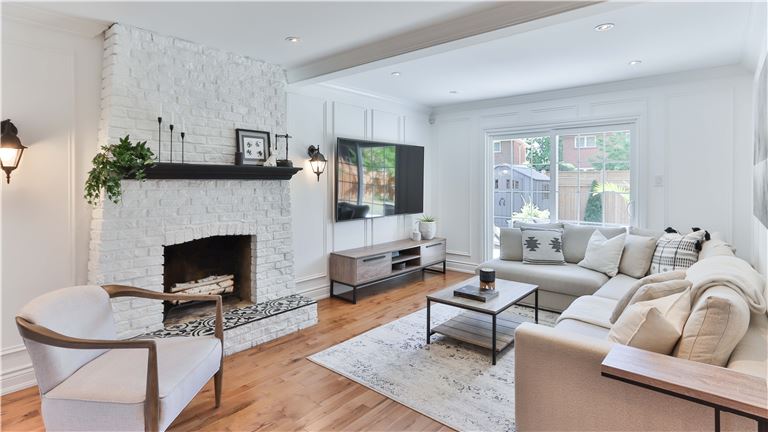 Their clean lines and open designs create an illusion of space, making even the smallest living areas appear more open and airy. Many modern coffee tables feature hidden storage compartments, making them ideal for stashing away magazines, remote controls, or other clutter. This clever integration of storage into the table’s design helps maintain a tidy and organized living space. Functionality does not end there; some modern coffee tables are equipped with technology, such as built-in wireless chargers or Bluetooth speakers, enhancing your everyday convenience. These tables seamlessly blend the digital age with elegant design, offering a holistic living experience. Material choice is also a crucial aspect of modern